Outsourcing 3D rendering means handing visualization work to an external studio or freelancer instead of running a full in-house CGI team. You send drawings and a brief; they return still images, interiors, exteriors, aerials, or animation. Teams do it to add capacity fast, skip permanent overhead, and keep designers focused on design.
Outsourcing 3D Rendering: The Short AnswerOutsourcing 3D Rendering: The Short Answer
- When it’s worth it: outsource when render demand is variable or spikes, or when you have strong designers but no dedicated CGI specialists — not when you have steady daily volume big enough to keep an in-house artist busy year-round.
- What it costs: roughly $100–$600 for a single still and $600–$4,000 for a package of views, freelancer to studio (full table below).
- Biggest risk: a vague brief, or a vendor you scramble to find after the first one already failed. Both produce rework, not renders.
- How to choose: match the portfolio to your project type, agree revisions and file terms up front, and vet partners before you need them.
What Outsourcing 3D Rendering Actually Means
To outsource 3D rendering is to hand off part or all of the visualization pipeline to an outside partner. That may include exterior stills, interior perspectives, aerial views, animation, post-production, and final files prepared for web, print, presentations, or pre-sales campaigns. Some teams outsource only final image production; others also send modeling, scene setup, and material work.
The important part is that this is not just a freelance purchase. Good outsourced 3D rendering sits inside a defined workflow with a brief, milestones, approvals, revision rules, and file standards. When projects fail, the rendering itself is rarely the problem — weak production management usually is.
In-House vs Freelancer vs Studio: The Real Trade-Off
Outsourcing trades some day-to-day control for flexibility, speed, and easier scaling. An in-house team responds fast and stays close to the design, but it also carries salaries, licenses, hardware, training, and utilization pressure. A freelancer is cheap and simple for one job. A studio runs a managed pipeline across a whole team. Here is how the three compare:
| Factor | In-house team | Freelancer | Outsourced studio |
| Upfront cost | High (salaries, licenses, hardware) | Low | Low–medium, per project |
| Speed & scaling | Limited by team size | Variable, one person | Scales fast across a full team |
| Quality consistency | High if skilled | Variable | High, managed pipeline |
| Management overhead | High | Medium | Low (studio runs the process) |
| Best for | Constant, high volume | One-off simple jobs | Variable or large workloads |
For most architecture and development teams, the honest math points away from hiring an in-house rendering specialist. One artist still needs a workstation, roughly a dozen software subscriptions, and a stack of adjacent skills, and someone has to keep them busy every working day for the cost to return.
I can’t think of a case where an in-house rendering hire pays off for a developer. One artist still needs ten different subscriptions, a workstation, and a pile of adjacent skills — modeling, lighting, post, client communication. It only starts to make sense once you’re a large company keeping that person busy every single day. Below that, outsourcing wins on the math alone.
From our studio — Dim Kuzmenko, Founder of Maverick Frame
An in-house setup earns its keep when rendering demand is constant and large enough to fill a specialist’s calendar. Outside production is the smarter option when demand spikes, deadlines vary, or you simply do not want fixed overhead sitting idle between projects. Many firms that already outsource architectural rendering services treat it as a standing part of their operating model, not an emergency measure.
What Outsourced 3D Rendering CostsWhat Outsourced 3D Rendering Costs
Price is shaped by scope, not image count alone. Complexity, number of views, model readiness, level of detail, revisions, urgency, animation, and delivery format all move the quote. As a rough market benchmark — freelancers at the lower end, full-service studios at the higher — outsourced 3D rendering usually lands in these ranges:
| Deliverable | Freelancer (typical) | Studio (typical) |
| Single exterior still | $100–$300 | $250–$600 |
| Single interior still | $120–$350 | $300–$700 |
| Image package (5–8 views) | $600–$1,500 | $1,500–$4,000 |
| Animation / walkthrough (per finished minute) | $1,000–$3,000 | $3,000–$8,000 |
These are market ranges, not a fixed rate card — the purpose of the image matters as much as the count. A planning submission does not need the treatment a marketing visual for paid media, brochures, or investor decks does. For a fuller breakdown by deliverable type, see our 3D rendering pricing guide.
Watch the cheap quote. A weak proposal often hides the real cost drivers — tight revision limits, slow communication, thin quality control — and the rework that follows eats internal time that never appeared on the first invoice. A stable process usually saves more than a low number on paper.
Where Outsourcing Goes Wrong — And How to Protect YourselfWhere Outsourcing Goes Wrong — And How to Protect Yourself
The main risk in outsourcing 3D rendering is loss of clarity. When the brief is weak, the scope keeps shifting, or the vendor is a poor fit, you get inconsistent drafts, bloated revision rounds, and deadline friction. Timezone gaps, unclear ownership terms, and vague approval chains slow down even a technically strong provider.
But the most expensive mistake happens before any of that — in when you go looking for a partner.
The most expensive mistake I see is looking for a studio only after the first one has already failed and the deadline is on fire. By then you’re choosing in a panic. Line up your rendering partners before you need them — have one, ideally a few vetted studios ready, so when the work lands, someone reliable can start right away.
From our studio — Dim Kuzmenko, Founder of Maverick Frame
You reduce almost every other risk by settling the rules before production begins. Review the portfolio for relevant work, ask how the process runs, define what counts as a revision, confirm file formats, sign an NDA, and decide who has final approval. If no one can clearly explain the process up front, the project will drift once production starts.
How to Choose a 3D Rendering PartnerHow to Choose a 3D Rendering Partner
Choosing a provider is less about the most polished website and more about who can deliver relevant work consistently. A portfolio should show repeatable quality across project types like yours — believable materials, controlled lighting, strong composition across many views — not one lucky hero image. Past project evidence matters here, which is why decision-makers usually review success stories before committing to a long-term vendor.

Before signing, ask about communication management, how many feedback rounds are included, the files you receive, deadline structure, and whether source files are part of the deal. Match the vendor size to the job: a freelancer suits a small scope with one decision-maker; a studio is better for recurring work and steadier quality; a larger production team is safest when the campaign spans many views, multiple service lines like interior rendering and exterior rendering, or strict launch timing.
A Clean Outsourcing Workflow, Step by StepA Clean Outsourcing Workflow, Step by Step
A strong outsourcing workflow should feel simple, controlled, and repeatable — moving from scope to final delivery without confusion or duplicated work. In practice it runs in three stages.
- Scope and shortlist. Decide what to outsource and what stays internal, then shortlist vendors whose portfolios match your project type and request quotes based on views, timing, references, and source-file condition.
- Brief, NDA, and rules. Provide drawings, model files, material direction, camera intent, references, deadlines, and approval roles. Sign the NDA, set milestone checkpoints, confirm revision rules, and name one person who consolidates feedback.
- Staged reviews and delivery. Move through draft composition, lighting and material review, refined detail, and final export — each stage answering one clear question. Final delivery includes the agreed formats, naming structure, and ownership terms.
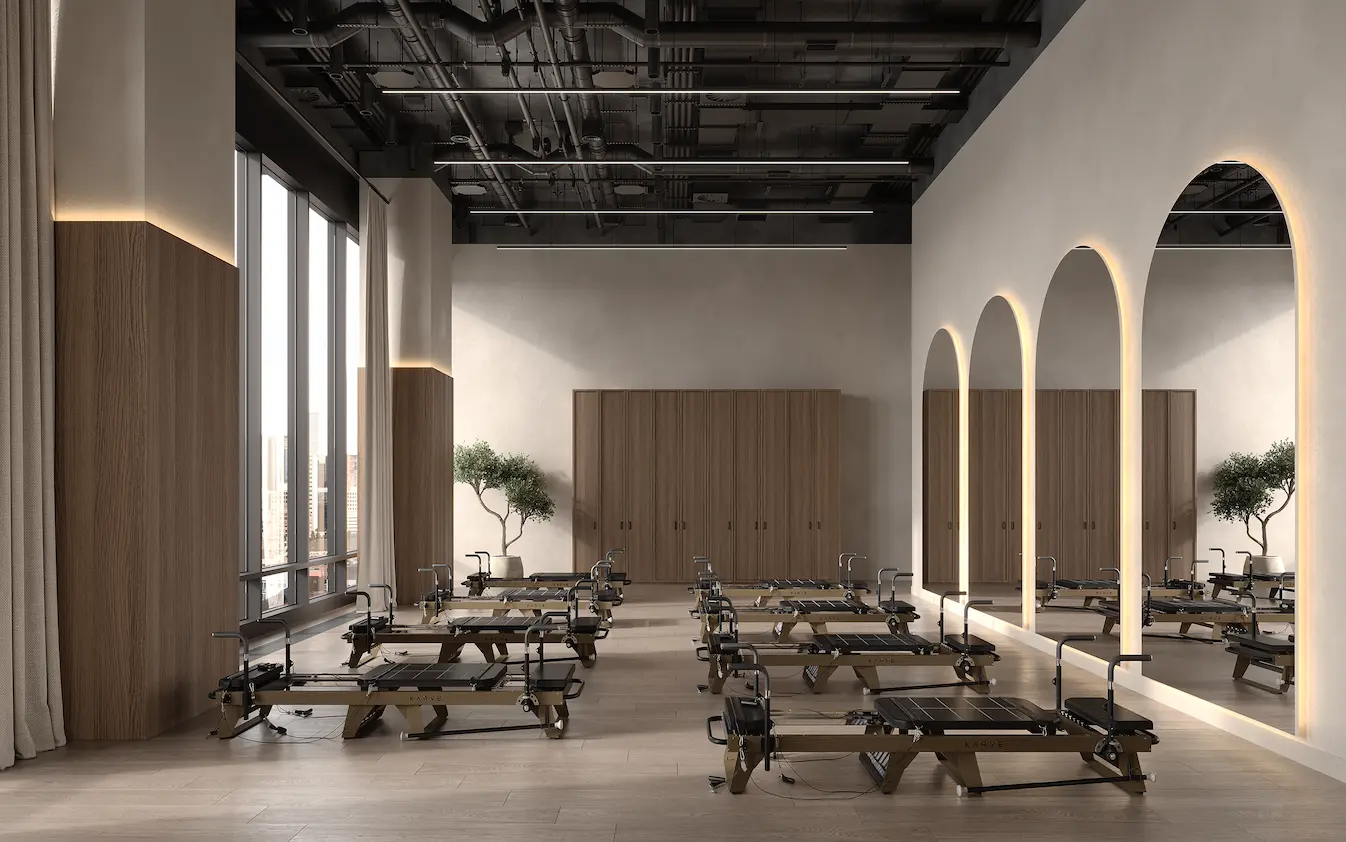
The brief is where most of this is won or lost — and bigger is not better.
The best brief is short. A few images, the plans, and a clear line on what you actually need. When a small job gets blown into a fifty-page spec describing every element, the literal result usually looks worse — over-specified briefs mislead more than they help. Tell us the intent and let the people who do this every day handle the detail.
From our studio — Dim Kuzmenko, Founder of Maverick Frame
Keep feedback concrete and prioritized — mark the camera, name the wrong material, point to the lighting, and show the reference that should guide the fix. Vague comments force the vendor to guess and stretch every revision cycle. Get the brief, the cadence, and the single point of contact right, and outsourced 3D rendering behaves like an extension of your own team rather than a gamble.
Two production formats studios outsource most often: What is product animation and CGI furniture catalog.

Turn Ideas Into Visual Stories
Frequently Asked Questions
A single outsourced still typically runs $100–$300 from a freelancer and $250–$600 from a studio. A package of 5–8 views runs about $600–$4,000, and animation starts around $1,000 per finished minute. Final price depends on complexity, number of views, detail, revisions, and turnaround.
As a market benchmark, a single still takes about 1–2 days for a simple scene and 2–5 days for a high-quality image, including modeling, lighting, rendering, and post-production. Packages and animation take longer. A clean brief with ready source files is the fastest way to shorten the timeline.
Usually yes when demand is uneven or project-based. An in-house artist adds salary, roughly a dozen software subscriptions, hardware, and management time, and only pays off if kept busy every day. Outsourcing lets you buy capacity only when you need it.
For one simple image, a freelancer is usually cheapest. For larger, recurring, or deadline-driven work, a studio is better value — it scales across a team, keeps quality consistent, and removes the overhead of coordinating freelancers yourself.
Outsource when render volume is growing or spiky, deadlines are tight, or you have designers but no dedicated CGI specialists. It also makes sense when architects lose too much time on production instead of design, approvals, and client work.
Keep it lean — plans or CAD files, a few reference images, a note on finishes and materials, camera intent, and a deadline. A short, clear brief beats a fifty-page spec, which often produces worse results rather than better ones.
To specialized studios that work remotely with clients worldwide. Maverick Frame handles exterior, interior, product, and animation work end to end for architects, developers, and brands, from a single still to a full campaign.